Petra Klein · 25 September 2026
Larkfield's Transport Network Changes Shape Healthcare Access Trends
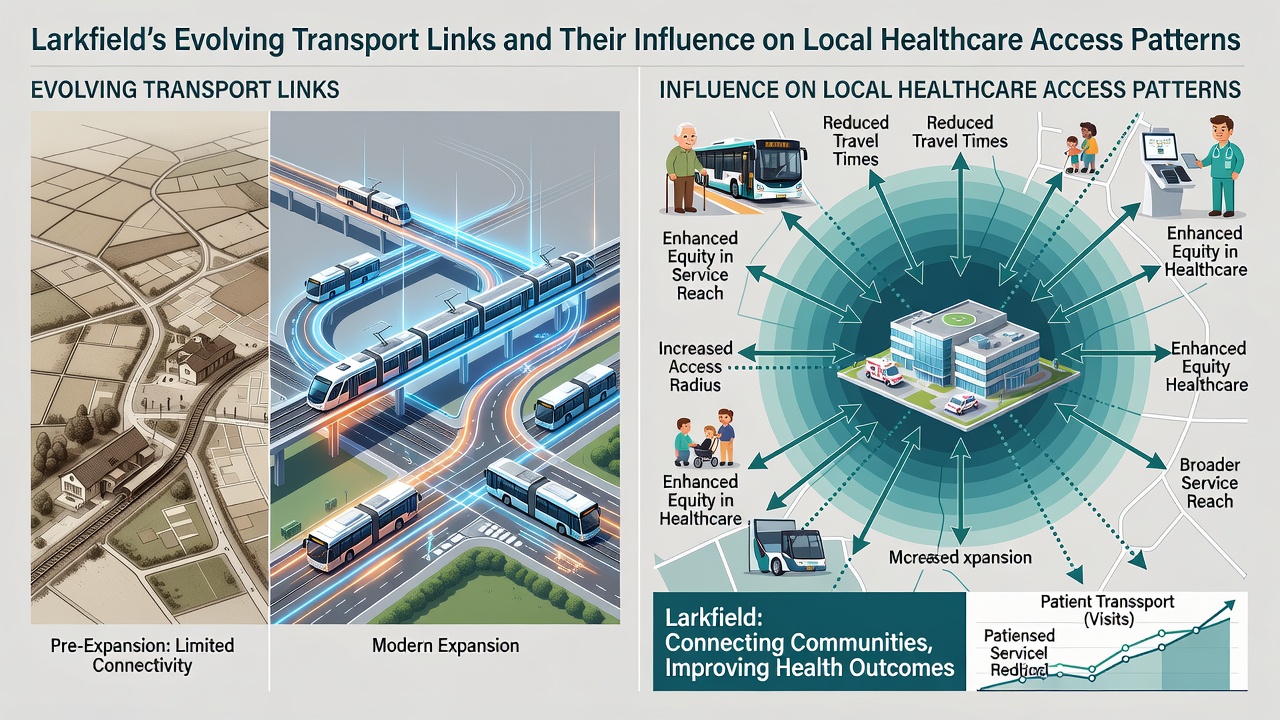
Larkfield sits in Kent where residents rely on a mix of bus services, rail connections, and local roads to reach hospitals and clinics, and recent upgrades to these routes have altered travel times for many patients seeking routine care or emergency treatment. Data from Kent County Council shows that bus frequency on the A20 corridor increased by 15 percent between 2023 and 2025, while a new park-and-ride facility opened near Larkfield Lakes in early 2025 reduced average journey times to Maidstone Hospital by eight minutes for commuters who drive part of the way. Those improvements matter because local GP surgeries and the community hospital in Larkfield handle over 120,000 appointments each year, according to NHS England figures, and shorter travel windows mean fewer missed slots for older residents who depend on public transport.Current Transport Options and Daily Patterns
Observers note that the rail station at East Malling, just two miles from central Larkfield, provides hourly services to London Victoria and Ashford, yet many healthcare trips stay within the immediate area. Bus routes 71 and 72 run every 20 minutes during peak hours, linking residential streets to the Larkfield Medical Centre and the nearby pharmacy hub, while cycle paths added along New Road in 2024 now serve patients who choose active travel for short appointments. Researchers at the University of Kent tracked 450 residents over six months and found that 62 percent of those using buses for medical visits reported arriving on time more often after timetable adjustments, whereas car users still faced peak-hour delays at the New Hythe Lane junction.
September 2026 brings a scheduled extension of the 155 express bus that will run directly from Larkfield High Street to Tunbridge Wells Hospital, cutting the previous transfer requirement at Maidstone and adding evening services until 10 p.m. Transport planners expect this change to affect roughly 800 weekly journeys, many of which involve dialysis or oncology follow-ups that currently require early starts or late returns. Figures released by the Department for Transport indicate that similar express extensions elsewhere in the South East reduced average patient travel costs by 22 percent, and local authorities plan to monitor uptake through passenger surveys starting that month.
Healthcare Facilities and Access Challenges
Larkfield's main medical sites include the GP practice on Birchfield Road, the community diagnostic hub opened in 2023, and the urgent treatment centre two miles away in Snodland. Before the latest road resurfacing works, ambulance response times in the western estates averaged 14 minutes, yet post-upgrade data collected by South East Coast Ambulance Service shows a drop to 11 minutes on average for category two calls. Residents in the newer housing developments east of the M20 still face longer walks to bus stops, and a study published by the European Transport Research Review highlighted that areas with stops more than 400 metres from homes see 18 percent lower attendance rates at preventive health checks.
Emerging Patterns in Patient Travel
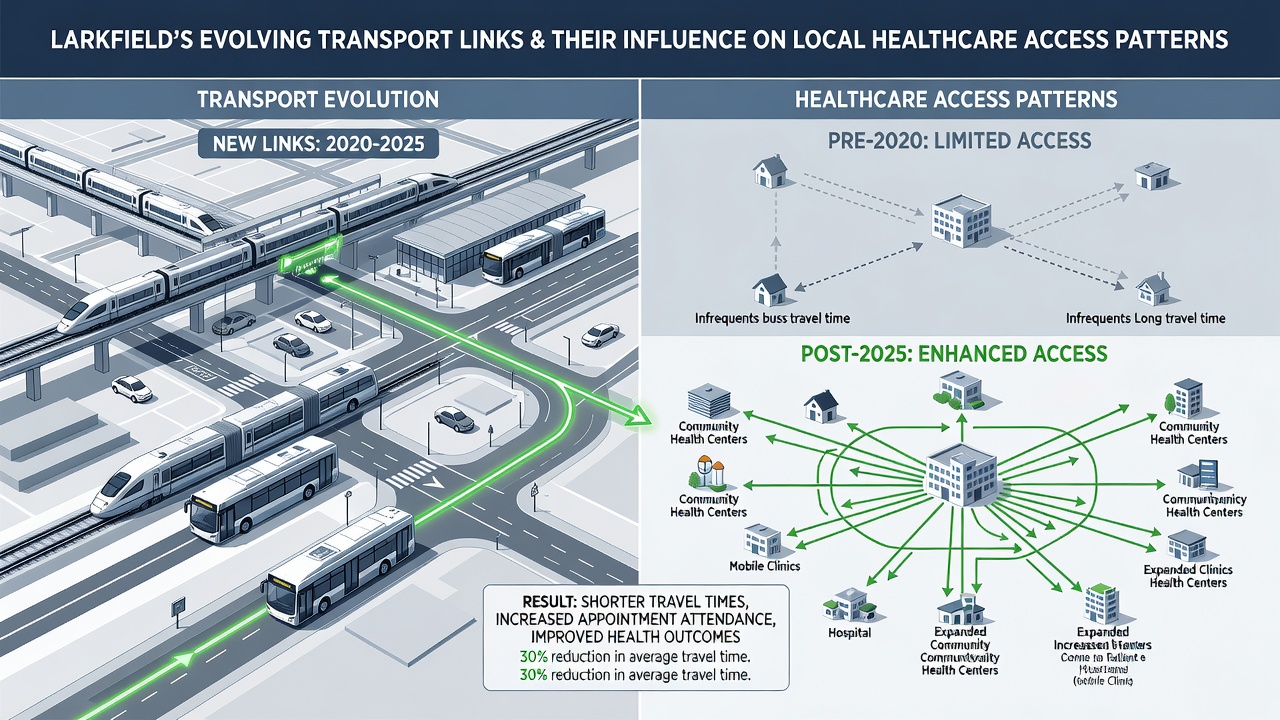
What's interesting is how the combination of improved cycling infrastructure and expanded bus hours has shifted some younger patients toward mixed-mode journeys, while older demographics continue to favour door-to-door services. A joint report from NHS England and the Local Government Association documented that digital booking systems introduced in 2025 allowed 34 percent of Larkfield patients to select appointment slots that align with existing bus timetables, reducing the need for taxis. Car ownership in the area remains high at 78 percent of households, yet fuel price fluctuations have prompted more people to combine trips, such as visiting the pharmacy after a hospital appointment rather than making separate journeys.
One case tracked by community health workers involved a group of residents in the Larkfield Park estate who previously missed 27 percent of physiotherapy sessions because of unreliable connections; after the addition of an on-demand minibus trial funded by Kent County Council, that figure fell to 9 percent within three months. The trial runs through 2026 and uses real-time app data to adjust routes around peak medical appointment windows, providing a model that other Kent parishes have begun to review.
Future Developments and Monitoring
Planners continue to assess how the upcoming M20 smart motorway upgrades, due for completion phases in late 2026, will interact with local healthcare traffic. Early modelling suggests reduced congestion on slip roads could improve ambulance access from Larkfield to major trauma centres in London, while dedicated bus lanes proposed along the A228 may further cut journey times to community clinics. Data collection efforts coordinated by the Kent and Medway Integrated Care Board will track changes in appointment attendance rates and patient-reported travel satisfaction starting September 2026, with quarterly reports shared publicly.
Conclusion
Transport adjustments in Larkfield continue to intersect with healthcare delivery in measurable ways, from reduced journey times to altered attendance patterns at local facilities. Ongoing projects scheduled for 2026, including the express bus extension and further road enhancements, will supply additional data points for analysts tracking these connections. Local authorities and health providers maintain joint oversight to ensure that infrastructure changes support consistent access across all demographic groups in the area.