Petra Klein · 2 September 2026
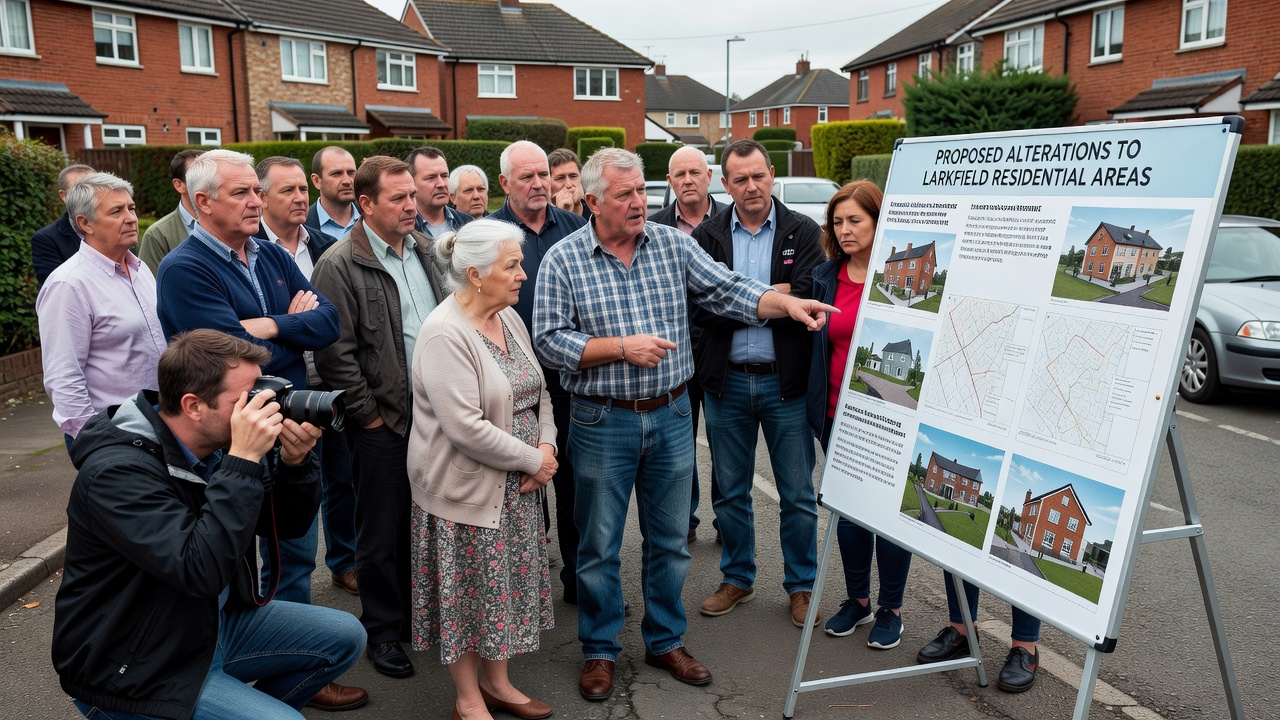
Recent submissions to Tonbridge and Malling Borough Council highlight several planning applications that could transform residential zones in Larkfield. These include new housing developments and changes to existing properties. Local residents have expressed mixed reactions to the proposals which aim to meet growing demand for homes in the area. Traffic assessments and environmental reports accompany the bids.
Proposed Housing Developments
One application seeks approval for 120 new homes on land off New Hythe Lane. The scheme includes a mix of two and three bedroom houses plus affordable units. Developers state the project will include improved drainage and green spaces. Another bid proposes converting a former office building on Larkfield Road into 45 apartments. Planners note this would reuse brownfield land and reduce pressure on green belt areas. A third proposal involves extensions to 30 existing dwellings to create additional living space for families.
Consultation documents indicate potential increases in local traffic along the A20 corridor. Council officers have requested further studies on school places and GP capacity. Residents living near the sites have raised concerns about construction noise and loss of views. Supporters argue the developments will bring economic benefits through new jobs and increased spending in local shops.
Community and Infrastructure Impacts
Public meetings held last month revealed divided opinions. Some homeowners welcome the chance for younger families to move into Larkfield while others fear strain on already busy roads and parking. The council has extended the consultation period by two weeks to gather more feedback. Environmental groups have called for stricter conditions on biodiversity net gain within the plans.
Final decisions are expected within three months. If approved the projects could begin construction by early next year. Ward councillors have urged developers to engage directly with neighbours to address specific worries about overlooking and light pollution. Updated plans may include additional cycle paths linking to the station. Overall the applications reflect wider regional efforts to increase housing supply while balancing local character and services.