Petra Klein · 11 September 2026
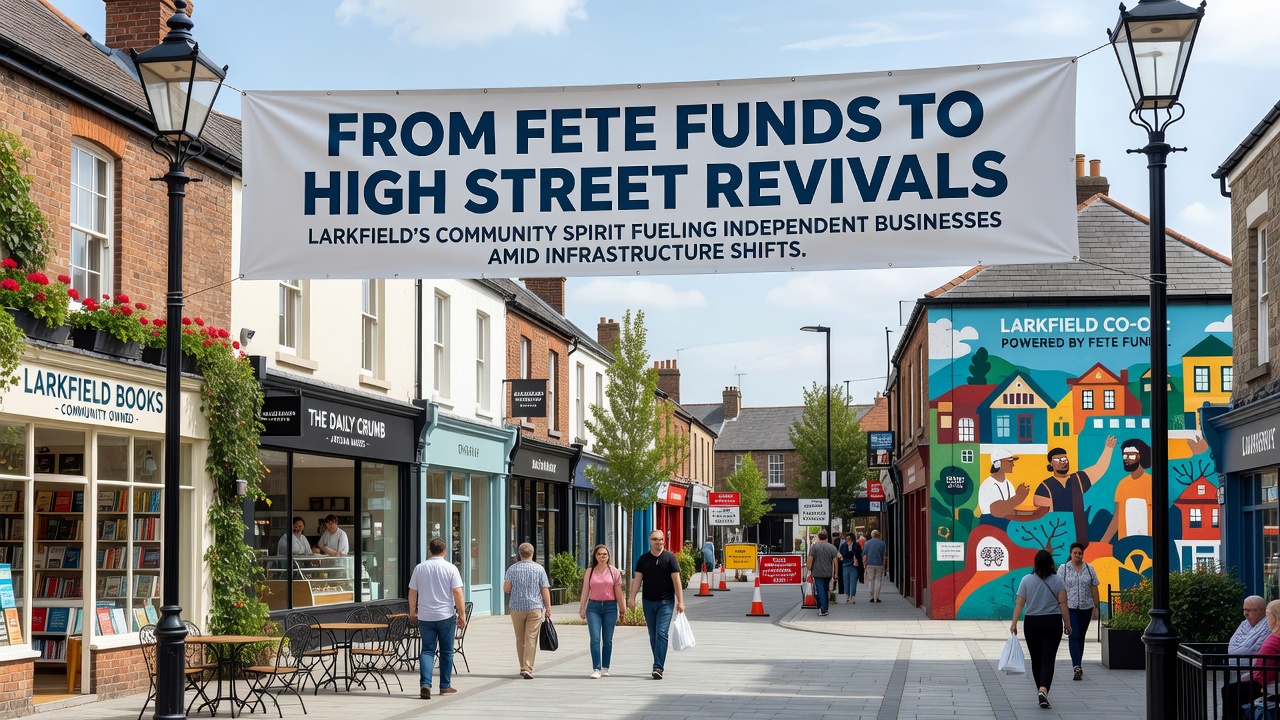
From Fete Funds to High Street Revivals: Larkfield's Community Spirit Fueling Independent Businesses Amid Infrastructure Shifts
Community events across Larkfield have long served as vital fundraising mechanisms that channel proceeds directly into support for independent retailers and service providers while major infrastructure projects continue to reshape local access routes and connectivity options. Annual fetes organized by resident groups collect donations through stall fees, raffle sales, and sponsorships that then flow into micro-grants for businesses facing temporary disruptions from road upgrades and utility installations scheduled through 2026.
Traditional Fetes as Economic Anchors
Local organizers coordinate summer fetes that draw thousands of visitors each year, and the resulting revenue supports everything from shop refurbishments to marketing campaigns aimed at retaining footfall on the high street. Data from similar Kent parishes shows that such events can generate between fifteen and twenty-five thousand pounds annually when combined with online crowdfunding extensions, and these figures translate into targeted assistance for businesses that might otherwise struggle during construction phases. Observers note that the pattern repeats across multiple villages where fete committees maintain transparent accounts that allocate portions specifically to independent operators rather than larger chains.
Infrastructure Changes and Business Adaptation
Road widening schemes and new cycle path installations form part of ongoing infrastructure adjustments that began in 2024 and extend into September 2026 when final connectivity links are expected to open. These projects alter traditional traffic patterns yet simultaneously create opportunities for businesses that adapt quickly through community-backed initiatives. Research from regional planning departments indicates that areas with active local funding networks experience faster recovery in retail occupancy rates once physical works conclude, because grants cover interim costs such as temporary signage and delivery rerouting.
High Street Revival Through Collective Action
Independent cafes, bookshops, and specialty food outlets in Larkfield have benefited from pooled resources that cover everything from shared advertising campaigns to joint pop-up markets held on weekends. One example involves a cluster of retailers that used fete proceeds to launch a loyalty scheme integrated with local transport apps, which helped maintain customer numbers during periods of restricted parking. Studies conducted by university researchers on comparable UK high streets reveal that such collaborative models can increase footfall by up to eighteen percent when paired with infrastructure improvements that ultimately improve pedestrian access.
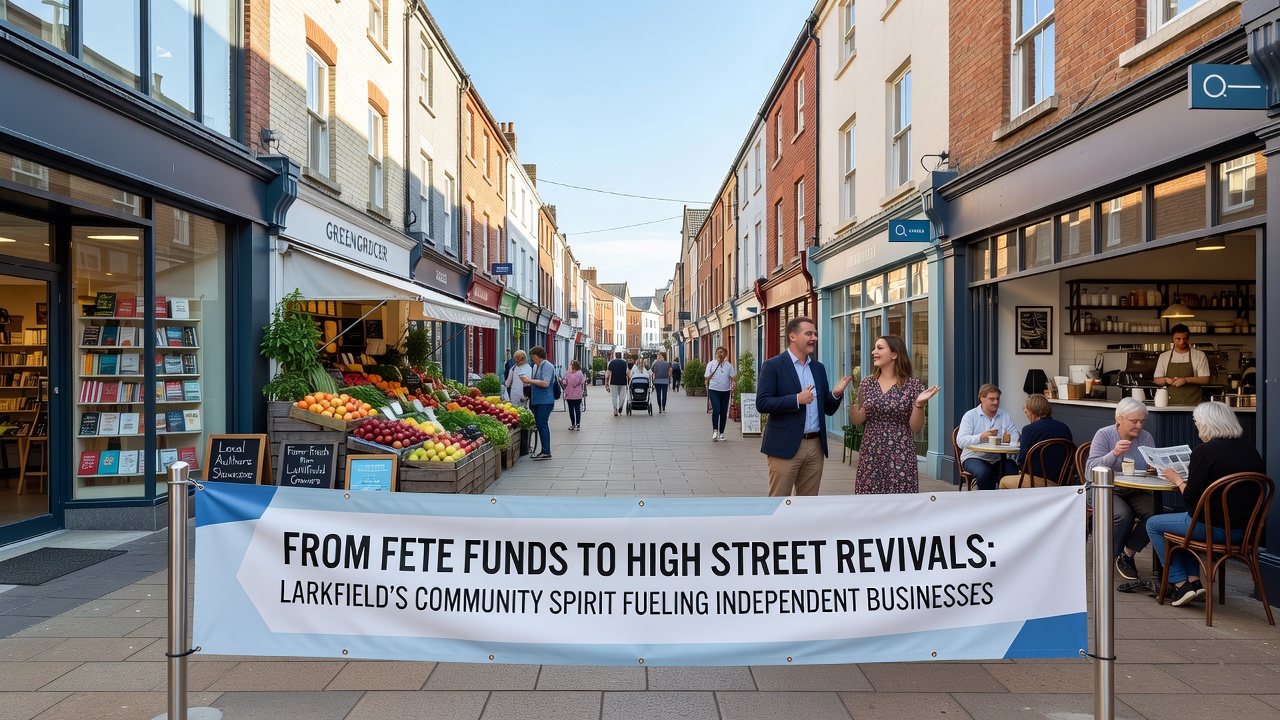
What's interesting is how these funds also finance training sessions that help owners navigate new digital tools required by updated delivery regulations, and the sessions often feature guest speakers from trade associations. The approach keeps money circulating within the local economy rather than relying solely on external grants that may carry stricter conditions.
September 2026 Milestones and Forward Planning
Preparations for September 2026 center on the completion of a key bypass link that will redirect through-traffic away from the central high street, and community groups have already begun mapping out additional fetes timed to coincide with the opening. Figures released by local business networks project that the change will reduce congestion by thirty percent, yet the transition period requires sustained support to prevent temporary dips in trade. External analyses from bodies such as the Federation of Small Businesses highlight how community-led financing mechanisms provide buffers that government programs alone cannot always match in speed or flexibility.
Another source of insight comes from international comparisons, where similar infrastructure shifts in Canadian municipalities demonstrated that early community investment correlated with stronger long-term occupancy rates for small enterprises. Larkfield residents apply these lessons by maintaining detailed records of past fete outcomes to refine future allocations, ensuring that resources reach businesses most affected by the phased works.
Conclusion
The interplay between longstanding community traditions and modern infrastructure developments creates a framework in which independent businesses in Larkfield can sustain operations and pursue growth. Continued coordination among fete committees, retailers, and local authorities will determine how effectively these mechanisms scale as the September 2026 infrastructure milestones approach, with existing data suggesting that the model offers measurable advantages in resilience and adaptation.